
The Modern Trial Playbook: Technology, Psychology, and Storytelling
Winning a case today takes more than strong evidence and confident arguments. The modern courtroom has evolved and so have the expectations of jurors.
Today’s most successful trial teams don’t just present facts. They connect, persuade, and simplify. They combine strategy with human insight. And they use the right tools to bring it all together.
Welcome to the modern trial playbook – where technology, psychology, and storytelling work hand in hand to shape outcomes.
Technology: Turning Information Into Impact
In a world where people process information visually and quickly, how you present your case matters just as much as what you present.
Jurors aren’t reading through binders of documents. They’re absorbing information in real time and often making judgments just as quickly.
That’s where modern trial technology comes in.

From dynamic exhibit displays to seamless transitions between evidence, the right trial presentation strategy can:
Keep jurors engaged and focused
Clarify complex timelines, data, or technical details
Reinforce key arguments visually
Eliminate confusion and distraction
Even more critical? Execution. A skilled hot seat operator ensures everything runs flawlessly – because in trial, there are no do-overs.
Bottom line: Technology doesn’t replace your argument – it amplifies it.
2. Psychology: Understanding How Jurors Actually Decide
Here’s the part many trial strategies overlook: Jurors don’t make decisions based on facts alone.
They interpret information through personal experiences, biases, emotions, and cognitive shortcuts. That means the same evidence can land very differently depending on how it’s presented and who’s receiving it.
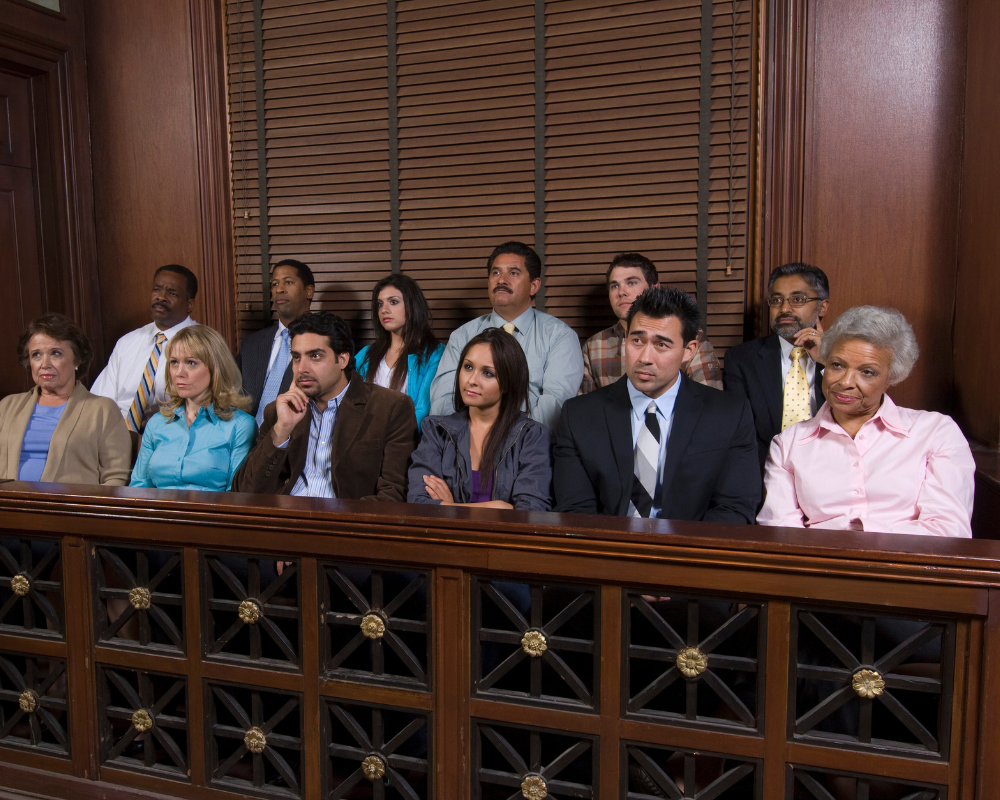
Modern trial teams use jury consulting and research to get ahead of this reality. Through tools like mock trials, focus groups, and voir dire strategy, they uncover:
Hidden biases and attitudes
Emotional triggers that influence decisions
Which arguments resonate—and which fall flat
How jurors are likely to interpret key pieces of evidence
This insight allows attorneys to refine their strategy before stepping into the courtroom, not after it’s too late.
Bottom line: Cases aren’t just won on facts – they’re won on how people feel about those facts.
3. Storytelling: Making It All Stick
Even the strongest evidence can get lost without a clear, compelling narrative.
Jurors are human. They don’t remember isolated data points – they remember stories.
Great trial storytelling:
Great trial storytelling:
Organizes complex information into a clear, logical flow
Establishes a beginning, middle, and end
Highlights key moments that matter most
Connects emotionally while reinforcing credibility
This is where demonstrative exhibits, animations, and video become powerful tools – not just for explanation, but for persuasion.
A well-crafted narrative ensures that when jurors leave the courtroom, they don’t just remember the case – they understand it.
Bottom line: If your case doesn’t tell a story, the jury will create one for you.
Bringing It All Together: The Winning Advantage
The most effective trial strategies don’t rely on just one element – they integrate all three:
Technology keeps jurors engaged and informed
Psychology ensures your message resonates
Storytelling makes your case memorable and persuasive
When these pieces work together, they create clarity, confidence, and connection – the three things every jury decision depends on.
Why It Matters More Than Ever
Today’s jurors are used to consuming information quickly, visually, and emotionally. That expectation doesn’t disappear when they enter a courtroom.
If your case feels confusing, disconnected, or overly technical, you risk losing their attention and their trust.
But when you meet jurors where they are, simplify the complex, and deliver a compelling narrative supported by strategy and technology, you give your case the best possible chance to succeed.
Work With a Team That Knows the Playbook
At River City Trial Solutions, we help attorneys bring all three elements together seamlessly.
From trial presentation and demonstrative design to jury consulting and videography, our team works behind the scenes to ensure your case is clear, compelling, and courtroom-ready.
Schedule a consultation today to start building a smarter, more strategic approach to your next trial.
Frequently Asked Questions
What is trial presentation support?
Trial presentation support involves managing and displaying evidence, graphics, and video in the courtroom to ensure a smooth and effective presentation.
How does jury consulting help my case?
Jury consulting provides insight into how jurors think, helping you refine arguments, identify biases, and build a stronger strategy before trial begins.
Are demonstrative exhibits really necessary?
Yes – visual aids help jurors better understand and retain complex information, making your case more persuasive.
When should I bring in a trial support team?
The earlier, the better. Involving a team during trial prep allows for stronger strategy development and more effective execution in court.